

The Allure of High-Stakes Gambling
High-stakes gambling attracts a unique group of players, often driven by a blend of excitement, the allure of wealth, and a desire for risk-taking. These individuals find thrill in the unpredictability of games like poker, blackjack, and roulette, where the stakes can reach astronomical amounts. The psychological stimulation that comes with placing large bets releases dopamine, creating a sense of euphoria that can be incredibly addictive. Many seek out the best online betting sites uk to fuel their passion for high-risk gaming.
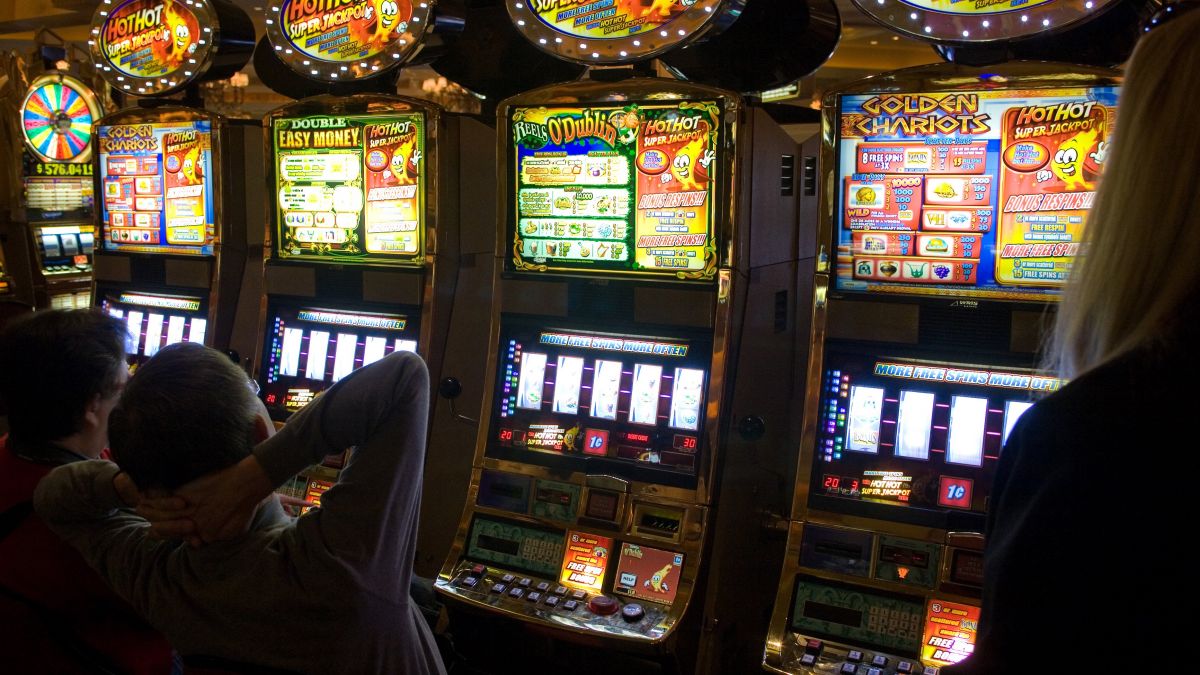
Moreover, high-stakes players often perceive themselves as sophisticated risk-takers. Their choice to gamble large sums may reflect characteristics such as confidence and a high tolerance for risk. This belief in their own abilities can lead them to believe that they can outsmart the system, thus reinforcing their engagement in high-stakes environments.
Psicólogicos factors influencing gambling behavior
Several psychological factors play crucial roles in determining how individuals engage with the gambling environment. For some, the thrill of winning is often paired with the fear of losing, which can create a compelling cycle. This cycle is rooted in behavioral psychology, where the anticipation of a potential win can be just as stimulating as the actual victory itself. High-stakes players often experience a rollercoaster of emotions, which can enhance their enjoyment and commitment to the game.
Additionally, the social aspect of gambling cannot be overlooked. High-stakes players frequently surround themselves with others who share similar interests, leading to a culture of competition and camaraderie. This social validation can further solidify their identities as gamblers, pushing them to engage in more high-stakes play as they strive to maintain or enhance their social status within their gambling circles.
The Role of Cognitive Biases
Cognitive biases significantly impact decision-making in high-stakes gambling. For example, the illusion of control bias leads players to believe they can influence the outcome of games based on skill or strategy, even in games of chance. This bias can result in excessive risk-taking as players feel empowered, even when odds are stacked against them.
Moreover, the gambler’s fallacy, where players believe past results influence future outcomes, can also propel high-stakes players into making rash bets. These cognitive distortions often justify their continued participation and can lead to significant financial risks, as the players become trapped in a cycle of hope and disappointment.
Emotional and Psychological Rewards
The emotional gratification that comes from high-stakes gambling extends beyond monetary gains. For many players, winning signifies achievement and validation. This psychological reward can establish a powerful feedback loop, where the thrill of winning creates a desire to experience that feeling again and again — often leading to increased stakes and risk.
Additionally, the adrenaline rush associated with high-stakes games can be compared to other extreme sports or thrill-seeking activities. Players often seek that rush as a form of escapism from daily life, further tying their psychological well-being to the highs and lows of gambling.

Conclusion and Insights on the Gambling Culture
Understanding the psychology behind high-stakes gambling provides valuable insights into not just the behavior of these players, but the very fabric of gambling culture itself. The combination of behavioral psychology, cognitive biases, and the social dynamics of gambling creates an intricate web that keeps players coming back for more, despite the risks involved.
As we explore the nuances of gambling, it’s crucial to recognize the complexities involved and the need for responsible gambling practices. Awareness of these psychological drivers can lead to more informed decisions, helping players navigate the high-stakes world while keeping their mental and financial health in check.
Comments are closed.